
Turkish Suits: A Buyer's Guide
Quality, brands and how to source them
Turkey is one of the largest garment producers in Europe's neighbourhood, and tailored menswear is one of its strongest categories. This guide answers the questions buyers ask most: are Turkish suits good quality, how do they compare with Italian suits, which names matter, and how do you buy them directly.
Are Turkish suits good quality? The honest answer: the range is wide, exactly as in Italy. Turkey produces everything from budget fused suits to full-canvas tailoring that competes with mid-tier Italian houses. What matters is not the label "made in Turkey" but the construction tier (fused, half-canvas or full-canvas), the cloth source and the factory's finishing standards. The top tier of Turkish production supplies European brands that sew their own labels into the garments.
The quality signals to check. Ask about canvas construction (a sewn chest piece drapes and ages better than a glued one), stitch density, pattern matching on checks and stripes, and functional details such as surgeon cuffs. Reputable manufacturers will answer these questions precisely and send a sample before any volume commitment. Evasive answers about construction are themselves an answer.
Brands versus manufacturers. Turkish menswear names known to consumers (retail brands sold in malls across Turkey and the region) are one side of the market. The other side, less visible but larger, is export manufacturing: factories and ateliers producing for European labels under private label or OEM arrangements. If you run a store or a brand, the manufacturer side is where the margin is, because you skip the brand premium and buy at factory terms.
Turkish versus Italian suits. Much of the raw wool in both countries comes from the same Australian and South African merino sources. Italian mills lead in luxury finishing and fabric branding; Turkish production leads in price-to-construction ratio, logistics speed to Europe and flexible order sizes. For a full comparison of cloth and construction, see our dedicated Turkish vs Italian wool guide linked below.
Buying Turkish suits at wholesale. The practical route: shortlist two or three manufacturers, request samples in your core size, compare construction and finishing in hand, then negotiate MOQ, price tiers and lead time. Turkey's advantages for European buyers are concrete: truck freight arrives in days rather than the weeks of sea freight from Asia, and the EU-Turkey Customs Union means finished garments cross into the EU without customs duty.
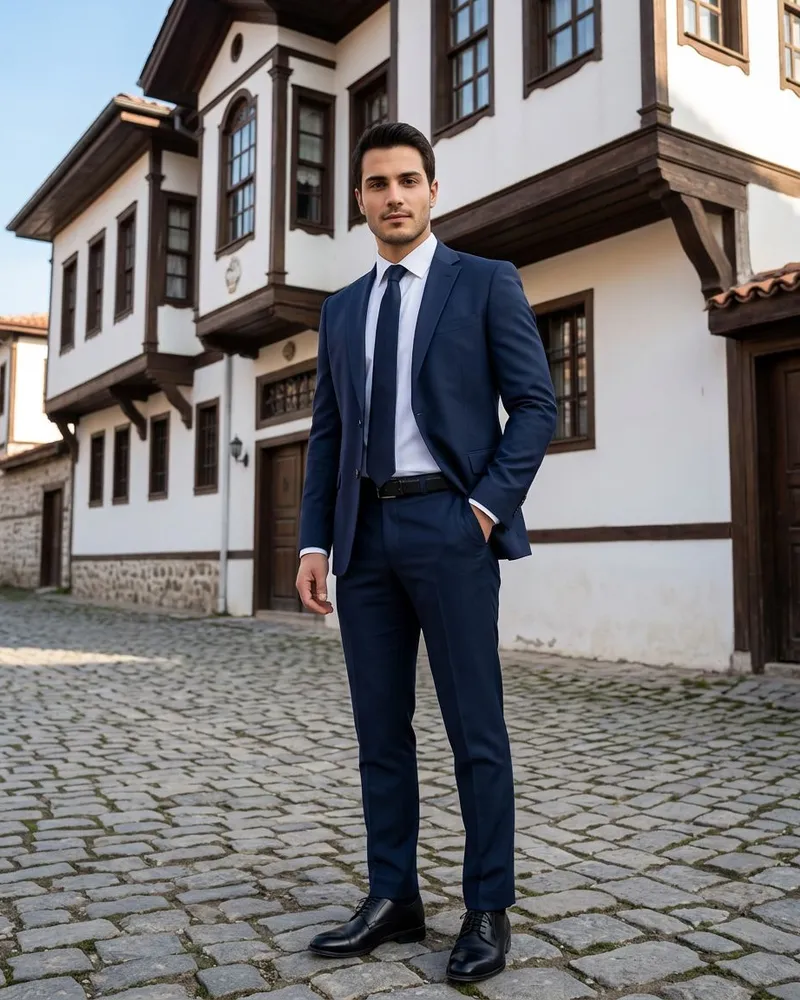
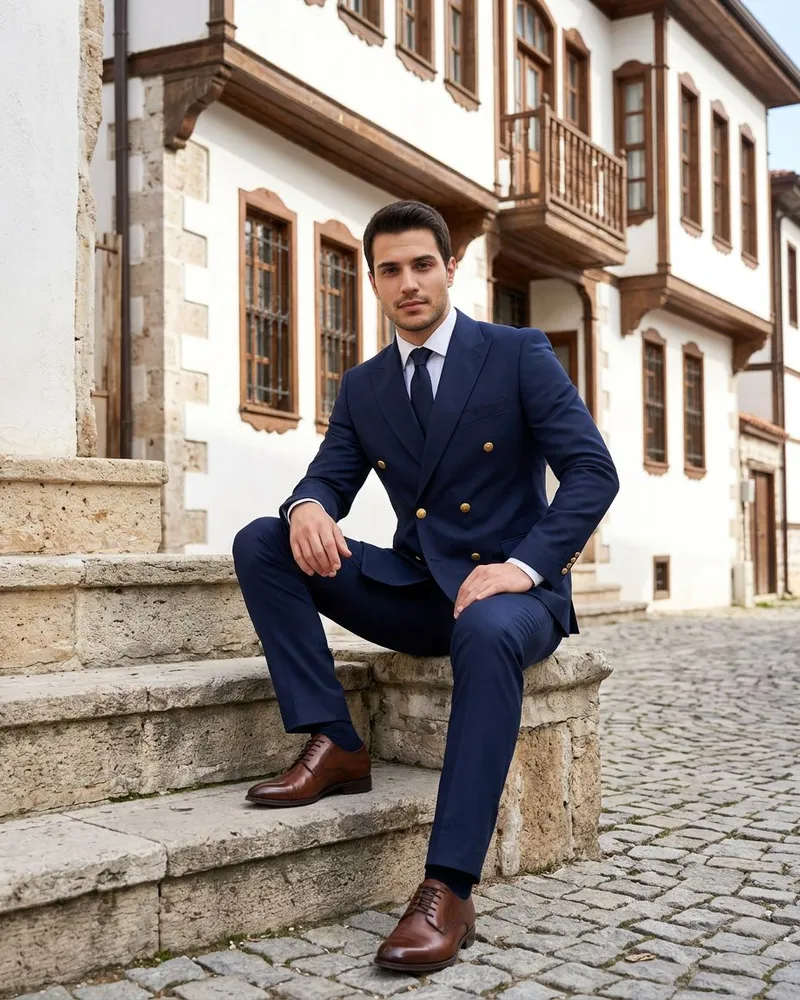
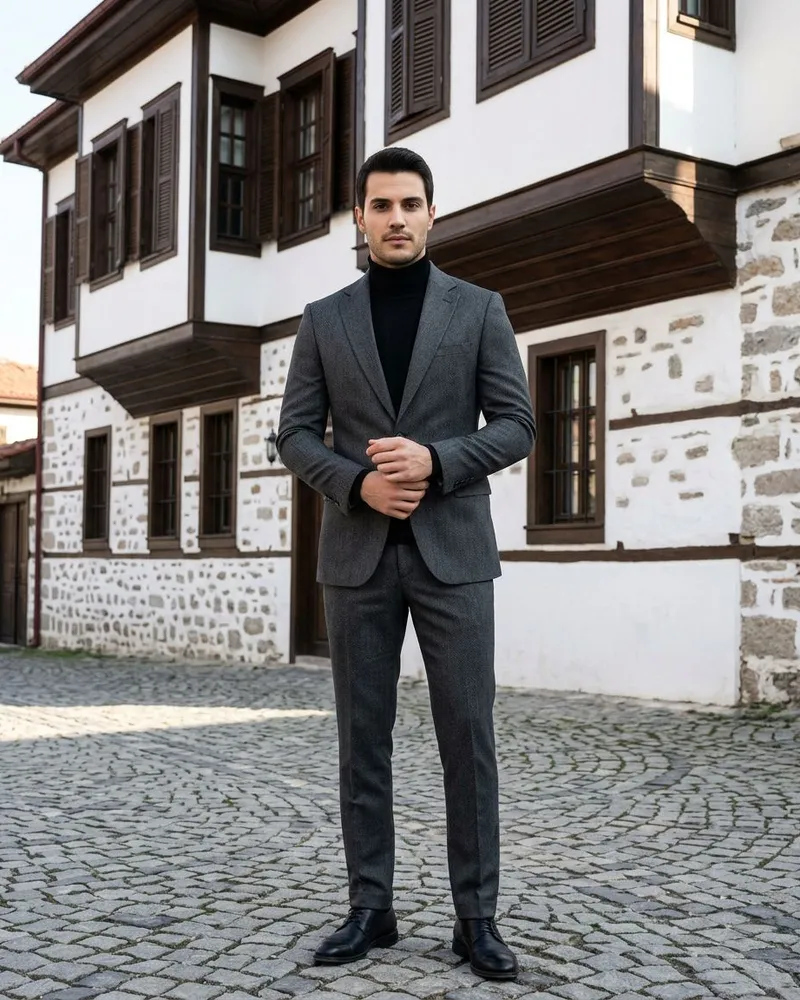
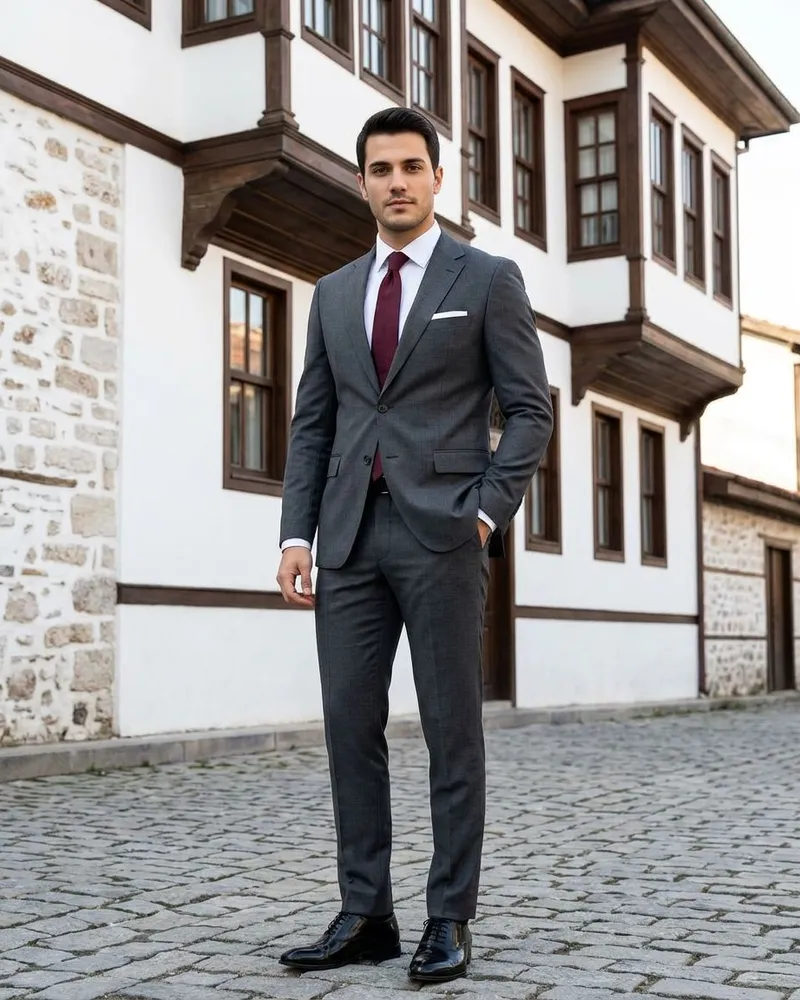
Where Savas Textile fits. We have produced tailored menswear in Turkey since 1966, run our own retail stores where the product is proven on real customers, and supply European retailers at wholesale. Our suit range covers half-canvas and full-canvas construction across classic and ceremony lines. Request a sample to judge the quality the only way that counts: in your hands.


Tell Us About Your Business
Quantities, categories and timing so we can come back with the right MOQ, pricing and lead time tailored to your operation.
One form, a personal reply within one business day. You get a private link to add photos and follow the conversation.
Buyer Questions
Are Turkish suits good quality?+
The top tier of Turkish production is genuinely good: half-canvas and full-canvas construction, Italian and Turkish wool, and finishing standards developed through decades of export manufacturing for European labels. As anywhere, the low end is basic fused construction, so judge the factory and the construction tier, not the country label.
How do Turkish suits compare with Italian suits?+
Comparable raw materials (often the same merino sources), different strengths. Italy leads in luxury fabric branding and heritage prestige; Turkey leads in price-to-construction value, speed of delivery to Europe and lower minimum orders.
Can I buy Turkish suits online in small quantities?+
Consumer retail is one route, but for stores the efficient path is direct wholesale: manufacturers typically start conversations at modest MOQs and send samples first. Savas Textile works this way, sample first, then a right-sized first order.
Do Turkish suit manufacturers ship across Europe?+
Yes. Road freight reaches most of Europe in days, and the EU-Turkey Customs Union removes customs duty on finished garments entering the EU, which is a structural cost advantage over Asian sourcing.